
<Lost & Found: 틈, 감각, 이식>
오-스케이프 11주년을 맞아 열렸던, 도시의 잔여와 흐름, 감각의 재구성을 건축적 실천으로 풀어내고자한 전시 영상입니다.
_ 2025.9.7. ~ 2025.9.12, Factory2
_ 촬영 및 편집 : 임학현작가

<Lost & Found: 틈, 감각, 이식>
Intro
우리는 도시에서 무엇을 잃어버렸고, 무엇을 다시 발견할 수 있을까.
어쩌면 그 상실조차 인식하지 못한 채 살아가는 것은 아닐까.
몇 장면이 오래도록 남아있다.
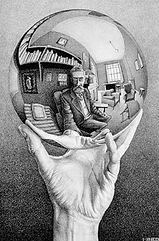
한 계단씩 내려가며 빛과 물소리가 뒤섞이던 빌라 그레고리아나, 수직과 수평이 흐트러지고 감정이 가라앉던 베를린 유대인 박물관, 걷는 리듬에 따라 부피가 켜켜이 쌓이는 낙선재의 툇마루, 그리고 에셔의 Hand with Reflecting Sphere 와 벨라스케스의 Las Meninas 속 엇갈린 시선들.
이 장면들은 모두, 말해지지 않는 감각의 층위에서, 공간이 어떻게 다르게 작동할 수 있는지를 보여주었다.
⸻
도시는 점점 더 균질해지고, 감각이 살아있는 틈의 공간은 배제된다.
속도와 효율, 반복되는 구조 속에서 감각은 점점 무뎌지고, 흐름은 끊어진다.
그러나 나는 그 잊힌 틈과 비워진 여백에서, 아직 쓰이지 않은 가능성들을 본다.
⸻
도시의 리듬은 어떻게 감각적으로 이식될 수 있을까?
나는 옥상 위 주차장, 외부계단, 옥탑, 복개하천, 고가 하부, 산책로, 잔교, 발코니, 복도, 공개공지 등 도시.건축의 주변적 요소들에서 구조와 흔적을 채집하고, 그 안의 리듬과 불균형을 읽어내어 건축 언어로 재구성해왔다.
이 탐색은 2006년 스페인의 도시, 베니돔을 다룬 Hyper-real Walkscape 연구(TU Delft, the Netherlands)에서 시작되었고, 2025년 서울의 면목동, 이태원동, 잠수교, 동작역 등으로 확장되었다.
그 과정은 고정된 질서를 해체하기보다, 그 사이에 미세한 어긋남과 흐름을 삽입하며 도시의 감각을 다시 배열하는 건축적 실천이다.
⸻
이 전시는 그런 틈에서 시작된 작은 실천들이다.
나는 도시에서 반복되는 구조들을 채집하고, 그 안에 숨어 있는 감각의 결을 읽어 다른 자리 위에 조심스럽게 이식해왔다.
그 이식은 단순한 복제나 재사용이 아니다.
장소의 리듬을 따라 낯설게 개입하고, 몸의 리듬에 맞춰 흐름을 다시 짜는 구조다.
⸻
건축이 다시 감각을 회복할 수 있다면, 그 출발점은 ʻ보이지 않는 것’을 감지하려는 태도에 있을 것이다.
나는 다음의 다섯 가지 요소로 질문해왔다.
1. 틈 Interstice :
잉여가 아니라, 감각의 시작점이 되는 자리
2. 형태 Morphology :
도시의 흔적을 추출하고 낯설게 배열하는 구조
3. 감각 Sensibility :
공간을 구성하는 몸의 지각과 흐름
4. 이식 Transplantation :
익숙한 질서에 미세한 어긋남을 삽입하는 개입
5. 재배열 Reconfiguration :
흐름, 위계, 관계를 다시 짜며, 중요한 차이를 만드는 행위.
이번 전시에 소개된 주요 작업들은 모두 이런 질문과 태도에서 비롯된 조각들이다.
• Healing Project:
일상의 틈에 감각을 조심스럽게 얹은 구조
• Secret Garden :
시선과 시간이 교차하는 공간의 흐름
• 세 항아리_된장공장공장장은~:
항아리의 발효의 과정을 세개의 고깔구조로 치환한 유형실험
• 딩가동 2번지:
복개 하천 위, 떠 있는 도시의 감각적 기반
• 합덕 도시재생 설계공모:
과거 목조 창고의 기억과 현대 구조의 리듬을 병치해, 시간과 감각이 교차하는 틈을 만든 실험
• Flying Fairy:
도시의 위계를 비트는 하강의 구성
• National Route 42:
경계와 잊힌 틈을 따라 시간과 기억의 흐름을 회복하는 감각적 구조
• Hyper-real Walkscape in Benidorm, and Seoul:
걷기와 왜곡된 감각을 통해 도시의 보이지 않던 리듬과 틈을 드러내고, 이를 새로운 건축적 언어로 재구성하는 실험
• Hyper-real O-Scape Village:
반복과 이식, 그리고 감각적 재배열이 겹쳐지는 마을 단위의 실험
⸻
감각은 언제나 구조보다 앞선다.
구조는 흐름과 리듬을 따라 조심스럽게 짜여질 수 있다.
감각은, 도시의 틈에서 다시 시작된다.
(English)
What have we lost in the city, and what can we rediscover?
Perhaps we live without even recognizing that loss.
Certain scenes remain with me for a long time:
the steps of Villa Gregoriana where light and water converged,
the descent into the Berlin Jewish Museum where vertical and horizontal planes fractured and emotions fell silent,
the narrow verandas of Nakseonjae, where the rhythm of walking layered space upon space,
and the mirrored perspectives of Escher’s Hand with Reflecting Sphere and Velázquez’s Las Meninas.
All of these revealed, in the unspoken strata of sensibility,
how space can act otherwise.
⸻
The city grows increasingly generic,
pushing aside those interstitial spaces where sensibility can still breathe.
Within speed, efficiency, and repetitive structures,
our perception dulls, and the flows of life are severed.
Yet in forgotten interstices and emptied margins,
I sense possibilities not yet claimed.
⸻
How can the rhythms of the city be transplanted sensorially?
I have gathered structures and traces from the peripheral elements of the urban fabric—rooftop parking decks, exterior stairways, rooftop pavilions, covered streams, spaces beneath overpasses, promenades, piers, balconies, corridors, and public open spaces—reading the rhythms and imbalances within them and reconfiguring them into an architectural language.
This exploration began with Hyper-real Walkscape in 2006(TU Delft, the Netherlands), a study of the Spanish city of Benidorm, and has expanded in 2025 to sites in Seoul such as Myeonmok-dong, Itaewon, Jamsu Bridge, and Dongjak Station.
Rather than dismantling established orders, the work inserts subtle displacements and flows within them—an architectural practice that rearranges the city’s sensibility.
⸻
This exhibition begins from such interstices—
from small practices shaped in their wake.
I have gathered recurring structures from the city,
read the grain of sensibility hidden within them,
and carefully transplanted them onto other grounds.
Such transplantation is not mere repetition or reuse.
It is an intervention that unsettles the familiar order,
a structure that rewrites flows in rhythm with the body.
⸻
The recovery of sensibility in architecture begins with perceiving what cannot be seen
⸻
My questions have unfolded through five elements:
-
Interstice – not surplus, but the point where sensibility begins.
-
Morphology – extracting urban traces and defamiliarizing them through new arrangements.
-
Sensibility – the body’s perception and flow that compose space.
-
Transplantation – inserting slight dislocations into familiar orders.
-
Reconfiguration – rewiring flows, hierarchies, and relations to create essential difference.
⸻
The works gathered here are fragments of that pursuit:
-
Healing Project – structures that carefully overlay sensibility onto everyday interstices.
-
Secret Garden 2 – spatial flows where vision and time intersect.
-
Three Pots – a formal experiment translating the fermentation of jars into three conical structures.
-
Dingadong 2 – a suspended sensorial ground above a covered stream.
-
Hapdeok Urban Regeneration Design Competition - Juxtaposing past memory and modern rhythm to create an interstice of time and sensibility.
-
Flying Fairy – a descent that displaces urban hierarchies.
-
National Route 42 – a sensorial structure recovering flows of time and memory along forgotten boundaries.
-
Hyper-real Walkscape in Benidorm, and Seoul: An exploration that reveals hidden rhythms and interstices of the city through walking and distorted perception, reconfiguring them into a new architectural language.
-
Hyper-real O-Scape Village – a village-scale experiment in repetition, transplantation, and sensorial reconfiguration.
⸻
Sensibility comes first; structure follows.
Only by tracing flows and rhythms
can structures take form.
From the interstices of the city,
sensibility starts once more.
⸻